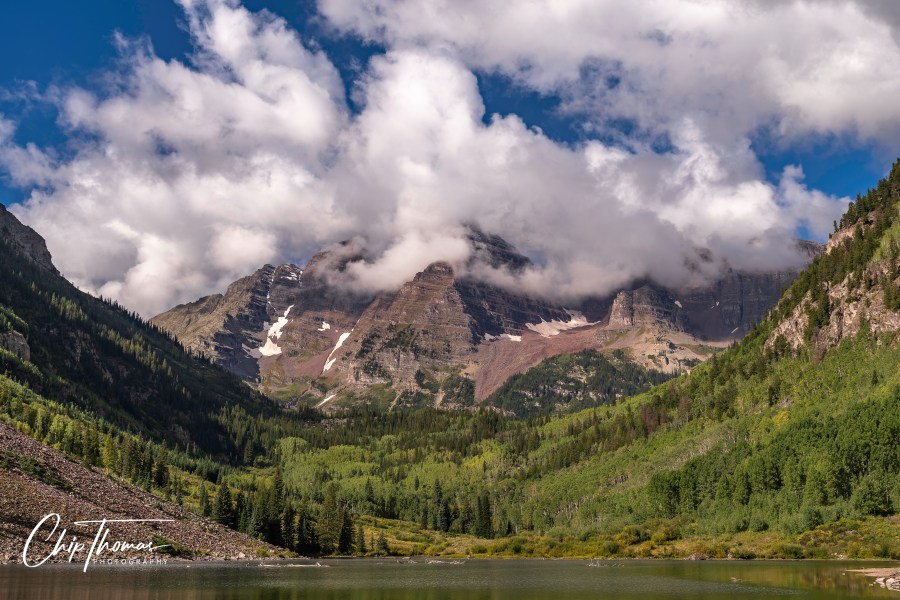
Capturing Nature’s Beauty: The Artistry of Colorful Colorado Photography
Welcome to Colorful Colorado Photography, where I celebrate the breathtaking beauty of nature through my camera lens. My journey began with a simple passion for capturing the wonders of the great outdoors. Each week, I’ll take you on an immersive visual experience, sharing my unique perspective and the stories behind captivating prints. As we move closer to fall and all of the colors this time of the year brings, it’s time to think about setting up that outdoor landscape photo shoot. So…today’s topic:
“Capturing Nature’s Beauty: A Guide to Setting Up an Outdoor Landscape Photo Shoot for Your Fine Art Photography Business”
In the world of fine art photography, outdoor landscape photography holds a special place. The breathtaking vistas, stunning natural elements, and ethereal lighting create captivating images that evoke emotions and inspire awe. If you’re looking to create stunning landscape photographs to showcase in your fine art photography print business, planning and executing a successful outdoor photo shoot is essential. In this blog, we’ll guide you through the process of setting up a landscape photo shoot in an outside location, ensuring you capture nature’s beauty with precision and creativity.
1). Define Your Vision: Before embarking on any photo shoot, it’s crucial to have a clear vision of the final result you want to achieve. Consider the style, mood, and theme you want to convey through your landscape photographs. Determine whether you’re seeking dramatic, moody scenes or vibrant, colorful vistas. This clarity will guide your choice of location, time of day, and the equipment you’ll need.
2). Research and Select the Perfect Location: Explore different outdoor locations that align with your artistic vision. Consider factors such as accessibility, unique features, and their suitability for your intended composition. Look for inspiration in travel magazines, online galleries, or even local photography clubs. Consider visiting potential locations beforehand to familiarize yourself with the area, assess lighting conditions, and identify potential spots for shooting.
3). Consider the Time of Day: Lighting is a crucial element in landscape photography. Golden hour (the hour after sunrise or before sunset) offers soft, warm, and magical light that adds depth and dimension to your images. Plan your shoot around these optimal times to capture stunning, dynamic scenes. Alternatively, if you’re aiming for dramatic or moody shots, overcast days or twilight hours can create a unique atmosphere.
4). Pack Essential Gear: Ensure you have the necessary equipment for a successful landscape photo shoot. Some essential items include:
- Camera: Invest in a high-quality digital camera that offers excellent resolution and dynamic range, allowing you to capture the fine details and subtle nuances of the landscape.
- Lenses: Wide-angle lenses are commonly used in landscape photography to capture expansive scenes. Additionally, consider carrying a telephoto lens to capture details in distant subjects.
- Tripod: A sturdy tripod is essential for achieving sharp, stable shots, especially during long exposures or in low light conditions.
- Filters: Graduated neutral density filters can help balance exposure between the sky and the foreground, while polarizing filters can enhance color saturation and reduce glare.
- Remote Shutter Release: This handy accessory minimizes camera shake when shooting with longer exposure times.
- Extra Batteries and Memory Cards: Always carry spare batteries and memory cards to avoid running out of power or storage space.
5). Compose and Frame Your Shot: When framing your landscape shots, consider the rule of thirds, leading lines, and focal points to create visually pleasing compositions. Experiment with different angles, perspectives, and focal lengths to capture the essence of the scene. Don’t be afraid to explore unique viewpoints that provide a fresh take on familiar landscapes.
6). Pay Attention to Details: While the grandeur of the landscape is undoubtedly the focus, paying attention to small details can enhance the overall impact of your images. Look for interesting foreground elements, such as rocks, flowers, or fallen leaves, to add depth and context. Be patient and observe the changing light and weather conditions, as they can dramatically transform the mood and atmosphere of the scene.
7). Post-processing and Editing: Once you’ve captured your landscape photographs, the post-processing stage allows you to refine and enhance your images. Use software such as Adobe Lightroom or Photoshop to adjust exposure, contrast, colors, and fine-tune the overall look to align with your artistic vision. Remember to maintain a balance between enhancing your image and preserving its natural beauty.
Setting up an outdoor landscape photo shoot requires careful planning and attention to detail. By defining your vision, selecting the perfect location, utilizing optimal lighting conditions, and employing the right gear and techniques, you can capture stunning landscape photographs that showcase nature’s beauty in all its glory. Remember, every landscape is unique, so embrace the creative process, experiment with different approaches, and allow your artistic voice to shine through your fine art photography print business. Happy shooting!

 Colorful Colorado Photography