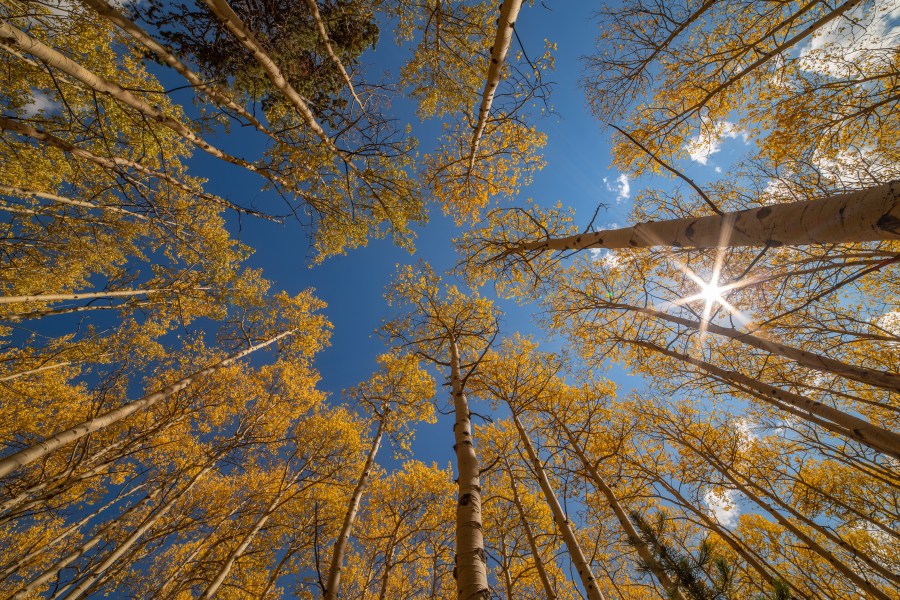
Capturing Nature’s Beauty: The Artistry of Colorful Colorado Photography
Welcome to Colorful Colorado Photography, where I celebrate the breathtaking beauty of nature through my camera lens. My journey began with a simple passion for capturing the wonders of the great outdoors. Each week, I’ll take you on an immersive visual experience, sharing my unique perspective and the stories behind captivating prints. Today’s topic might be a little late, but you could say that between my education, knowledge and lessons learned from the last couple of weeks, I’ve come up with some great ideas to help you with your camera settings for fall color photography…so without further ado, the topic for today’s exciting post is:
Mastering the Art of Fall Colors: Ideal Camera Settings and Techniques
Introduction
Capturing the vibrant hues of fall colors through photography is a delightful and rewarding experience. As the leaves change from lush greens to fiery reds, oranges, and yellows, it’s important to understand the ideal camera settings that can enhance and preserve the beauty of this season. In this blog post, we will explore the significance of camera settings in capturing fall colors, provide tips and recommendations for shooting autumn landscapes, and discuss the role of composition, filters, and lenses in enhancing the visual impact of fall foliage photography.
Importance of Camera Settings for Fall Colors
Adjusting camera settings is crucial for capturing the true essence of fall colors. Recommended aperture, shutter speed, and ISO settings ensure optimal exposure and depth of field, allowing you to highlight the intricate details and vibrant hues of autumn foliage. Additionally, white balance adjustments</a> play a significant role in accurately reproducing the rich and warm colors of fall. By fine-tuning these settings, you can enhance the overall quality and detail in your fall landscape photography, resulting in stunning and captivating images.
To understand the importance of camera settings for fall colors, let’s consider an example. Imagine you are in a forest during the peak of fall, surrounded by a stunning display of red, orange, and yellow leaves. To capture the true beauty of this scene, you need to adjust your camera settings accordingly. By using a wider aperture, such as f/2.8, you can create a shallow depth of field, blurring the background and allowing the vibrant colors of the leaves to stand out. A fast shutter speed, like 1/500th of a second, will help freeze any movement and ensure sharpness in your image. Finally, setting the ISO to a lower value, such as ISO 100, will reduce noise and maintain the highest level of image quality. These settings work together to create a visually stunning representation of the fall colors.
Enhancing Fall Colors with Filters and Lens Selection
To further enhance the beauty of fall colors in your photographs, filters and lens selection can make a significant difference. Circular polarizers are particularly useful in reducing glare and intensifying the colors of fall foliage. These filters also enhance the blue sky, creating a striking contrast against the vibrant leaves. When it comes to lenses, telephoto lenses allow you to capture intricate details and patterns of autumn leaves, while wide-angle lenses can encompass the expanse of colorful fall landscapes. Choosing the right combination of lens and filter can elevate the impact of fall colors in your photography, resulting in visually stunning images.
For example, if you are photographing a colorful tree against a clear blue sky, a circular polarizer filter can help reduce any unwanted reflections or glare on the leaves, making the colors appear more vibrant and saturated. Additionally, using a telephoto lens will allow you to zoom in and capture the intricate details of the leaves, showcasing the unique patterns and textures. On the other hand, a wide-angle lens can be used to capture the entire landscape, providing a sweeping view of the colorful fall foliage. By carefully selecting the appropriate lens and filter, you can effectively enhance the beauty of fall colors in your photographs.
Composition Tips for Capturing the Beauty of Fall Landscapes
Composition plays a crucial role in creating compelling and visually appealing photographs of fall landscapes. To add depth and visual interest, incorporate reflections from water bodies into your compositions. This technique not only enhances the overall aesthetic but also adds a sense of tranquility and serenity to the image. Additionally, capturing close-up shots of autumn details such as mushrooms, seed pods, and leaf textures can showcase the intricate beauty of the season. Experimenting with different viewpoints and angles, utilizing leading lines, and incorporating natural elements can help create stronger compositions that effectively convey the beauty of fall.
For instance, when photographing a lake surrounded by trees with colorful leaves, you can position yourself in a way that captures the reflection of the trees on the water’s surface. This reflection adds depth to the image and creates a sense of symmetry. Alternatively, getting up close to a fallen leaf and capturing its intricate details can reveal the unique patterns and textures that are often overlooked. By exploring different angles and incorporating leading lines, such as a winding path or a row of trees, you can guide the viewer’s eye through the image and create a more visually engaging composition. These composition tips can help you capture the beauty of fall landscapes in a compelling and captivating way.
Best Practices for Shooting Fall Colors
Certain regions are renowned for their stunning fall colors and provide ideal opportunities for photography. New England states, the Colorado Rockies, and the upper Midwest regions of the United States offer breathtaking landscapes during the fall season. Overcast days are particularly favorable for shooting autumn foliage, as the soft and even lighting enhances the saturated colors. To ensure stability and capture the finest details, using a tripod is highly recommended, especially during low light conditions. Additionally, fog and mist can add a sense of mood and atmosphere to fall color photos, enhancing the overall visual impact.
When planning a fall photography trip, consider visiting locations known for their vibrant fall colors. For example, New England in the United States is famous for its picturesque autumn landscapes, with the changing leaves creating a stunning display of colors. Similarly, the Colorado Rockies offer breathtaking vistas as the aspen trees turn golden, creating a magnificent contrast against the evergreen pines. The upper Midwest region, including states like Michigan and Wisconsin, also boasts vibrant fall colors, with the maple trees showcasing a brilliant mix of red, orange, and yellow hues.
Additional Tips and Techniques
Emphasizing color and contrast in fall foliage photography</a> can create more impactful images. Capture photos during the golden hours surrounding sunrise and sunset to benefit from warm, glowing light that beautifully enhances the colors of autumn. Experimenting with abstract techniques, such as intentional camera movement and zoom blur, can add an artistic touch to your fall color photographs. Utilizing a polarizing filter can reduce glare and enhance colors, including the blue sky, resulting in more vibrant and captivating images. By incorporating these additional tips and techniques, you can further elevate the visual impact of your fall color photography.
For example, during the golden hours, the warm and soft light creates a magical atmosphere, enhancing the colors of the fall foliage. By positioning yourself to capture the warm light filtering through the leaves, you can create a captivating image that evokes a sense of warmth and tranquility. Experimenting with intentional camera movement or zoom blur can add a sense of dynamism and creativity to your photographs. By intentionally moving the camera during a longer exposure or zooming in or out while the shutter is open, you can create abstract and artistic effects that convey the energy and beauty of fall colors in a unique way. Incorporating these additional tips and techniques into your photography can help you create more visually striking and memorable images.
Capturing the Essence of Fall Colors
Capturing the beauty of fall colors requires a thoughtful approach to camera settings, composition, and techniques. By adjusting aperture, shutter speed, and ISO, you can ensure optimal exposure and depth of field. Filters and lens selection play a vital role in enhancing the vibrancy and impact of fall colors. Composition tips, such as utilizing reflections, capturing close-up details, and experimenting with viewpoints, can create visually appealing images. It’s also important to explore ideal locations known for their stunning fall colors, embrace different weather conditions, and utilize techniques that add creativity and depth to your photographs. By applying these tips and techniques, you can capture the essence and beauty of fall colors and create stunning images that celebrate the magic of the season.
As we conclude our journey through the captivating images of fall foliage, remember that photography is more than just a visual art—it’s a sensory experience. With your camera, settings, and knowledge, you’re equipped to unlock the mysteries of the Earth’s landscapes and the vibrant colors. Every photograph is a story, and every location is a chapter waiting to be told. The beauty of landscape photography lies in the surprises and wonders that nature unfolds before your lens. So, venture out, explore the uncharted, and embrace the unexpected. The world is your canvas, and your lens is the brush to paint the masterpiece. We hope these tools and insights help you create breathtaking fine art photography that resonates with the essence of the world around us. May your next photographic journey be a symphony of light, shadow, and nature’s finest moments. Happy shooting!

 Colorful Colorado Photography