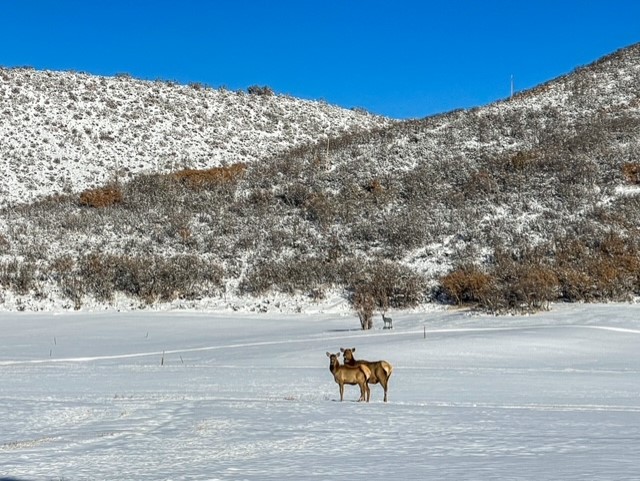
Capturing Nature’s Beauty: The Artistry of Colorful Colorado Photography
Welcome to Colorful Colorado Photography, where I celebrate the breathtaking beauty of nature through my camera lens. My journey began with a simple passion for capturing the wonders of the great outdoors. Each week, I’ll take you on an immersive visual experience, sharing my unique perspective and the stories behind captivating prints. Today’s topic will highlight the beginning photographer and winter photography. While there are so many different ways people are using their cameras, no matter if it is a smartphone, point and shoot, or a DSLR, it is my hope that I can help the beginning photographer feel comfortable with whatever way they use to take photographs. So, in the midst of being cold, making sure your settings are right for snow covered landscape will give you some amazing photos…so without further ado, the topic for today’s exciting post is:
Winter Wonderland: A Beginners Guide to Capturing Stunning Winter Landscape Photography
Introduction
Winter landscapes offer a unique and transformative setting for photography, with snow and frost creating a magical atmosphere and photogenic elements. The appeal of capturing the beauty of winter landscapes lies in the opportunity to create stunning images that showcase the serene and ethereal qualities of snow-covered scenes. I work hard to create images that help in capturing the beauty of winter landscapes, while you may feel that you don’t have the experience, with today’s cameras/smartphone you too can take great photos.
Essential Gear and Preparation
Before embarking on a winter photoshoot, it is crucial to prepare yourself and your gear for the challenging conditions. Dressing appropriately in layers, wearing windproof and water-repellent clothing, and having spare batteries are essential for winter landscape photography. The cold temperatures can quickly drain the battery life of your camera, so keeping spare batteries warm in your pockets or an insulated case can help prevent this issue. Pre-setting your camera settings ensures that you are ready to capture fleeting moments without delay, as adjusting settings with cold fingers can be challenging. Using a sturdy tripod is also highly recommended to help maintain stability and sharpness in low light conditions. Additionally, photography gloves provide better grip and control, enabling you to operate your camera comfortably in the cold.
Composition and Lighting Techniques
To create captivating winter landscape photos, it is important to consider composition and lighting techniques. Utilizing snow structures in the foreground can add depth and interest to your photos. Snow and frost transform the color palette, offering softer tones and a simplified hue range, which can add a sense of tranquility to your images. Including the sun as the primary subject can produce dramatic effects, especially when shooting against it, such as capturing sunbursts or silhouettes. Exploring unique compositions with low-hanging clouds and inversion can result in captivating images that convey a sense of mystery and awe. Furthermore, don’t forget to look for details in the winter landscape, such as branches, fences, and ice, as they can add visual interest and diversity to your portfolio.
Camera Settings and Techniques
Achieving optimal camera settings is crucial for capturing stunning winter landscape photos. When shooting in snowy landscapes, it can be challenging for your camera’s autofocus to lock onto a subject. To overcome this, focus on areas of contrast, such as the edge of a tree against the white snow, to help your camera autofocus. Adjusting exposure compensation is also important to avoid gray-looking snow and ensure accurate exposure. Snow can trick your camera’s metering system, leading to underexposed images. Increasing the exposure compensation by around +1 to +2 stops can help maintain the whiteness of the snow. Winter sunrises and sunsets often provide dramatic lighting conditions, so taking advantage of these moments can result in breathtaking images. Additionally, choosing the appropriate shutter speed allows you to capture falling snow and convey a sense of movement. Experimenting with slower shutter speeds, such as 1/30th of a second or slower, can create a visually pleasing effect of blurred snowflakes. Using filters, such as circular polarizing filters, can enhance the winter ambiance by reducing glare and increasing color saturation.
Tips for Shooting in Winter Conditions
Shooting in winter conditions requires careful planning and preparation. Paying attention to the weather forecast and planning your photography trips immediately after snowfall can result in optimal conditions for capturing stunning winter landscape photos. Dressing in layers and wearing appropriate clothing is crucial to stay warm and protected from the cold and wind. A thermal base layer, insulating mid-layer, and windproof and waterproof outer layer are recommended for maximum comfort and protection. Keeping spare batteries warm by storing them in an inside pocket helps prevent them from draining quickly in cold temperatures. Using stable tripods is essential for capturing sharp images in low light conditions, as longer exposures are often necessary. Additionally, it is important to keep your gear clean and protected from snow and cold conditions. Using protective camera covers and regularly cleaning your lenses can help prevent damage and maintain optimal image quality.
Editing and Enhancing Winter Images Editing plays a significant role in enhancing the beauty of winter landscape photos. Adjusting white balance, contrast, and exposure can help achieve the desired look and mood. Winter scenes often have a cool color temperature, so adjusting the white balance to slightly warmer tones can create a more pleasing overall look. Increasing contrast can add depth and enhance the visual impact of your images, while adjusting exposure ensures proper brightness and detail in both the shadows and highlights. Experimenting with filters, such as gradient filters, can further enhance the visual impact of winter photos by balancing exposure and adding subtle color toning. Black and white photography can also be a powerful way to create minimalist and dramatic winter landscapes, emphasizing the textures and shapes created by the snow and frost.
Conclusion
In the world of winter wonderlands and snow-covered landscapes, capturing the essence of this serene season through photography is an art in itself. As I’ve journeyed through the realm of winter landscape photography, we’ve discovered the secrets to unveiling its breathtaking beauty and harnessing its magical aura through the lens of a camera.
It’s not just about having years of experience or high-end gear; it’s about understanding the nuances and embracing the elements that make winter photography a distinct and captivating art form. The preparation is as crucial as the composition, from donning the right gear that shields you from the cold to ensuring your camera is primed for the conditions.
I’ve explored the significance of composition and lighting techniques, unraveling the potential of snow structures in creating depth and the mesmerizing effects of playing with light against the snowy canvas. By understanding how to master camera settings and techniques, we’ve learned to overcome the challenges that snowy landscapes present, ensuring that every click captures the true essence of this enchanting season.
Shooting in winter conditions isn’t just about clicking away; it’s a carefully orchestrated dance between nature and technology. Keeping an eye on the weather forecast, planning your escapades post-snowfall, and protecting your gear are just a few of the steps to ensure that your moments in the snow are both comfortable and rewarding.
And when the journey through the winter landscapes ends, the real magic begins in the digital darkroom. Editing becomes the painter’s brush, enhancing the raw images and bringing out the true emotion and beauty hidden within. Adjusting white balance, playing with contrast, and even experimenting with black and white transformations—all contribute to the final artwork that reflects the artist’s vision.
Winter landscapes are not merely scenes; they are living canvases waiting to be immortalized in frames. Whether it’s the untouched snow-laden fields, the intricate details in frozen branches, or the ethereal glow of winter sunsets, there’s a story waiting to be told through your lens.
Remember, winter landscapes offer a symphony of subtleties waiting to be captured. Each click is an opportunity to freeze a moment in time and share the beauty of this serene season with the world.
As you venture out to capture the magical winter wonderlands, may your photos tell stories, evoke emotions, and showcase the true enchantment of this remarkable season. Let your creativity and passion guide your lens, and may your images echo the serenity and awe-inspiring charm of the winter wonderland.
So, embrace the chill, feel the magic, and let your camera paint the mesmerizing tales of the winter wonderland.
Happy photographing!

 Colorful Colorado Photography