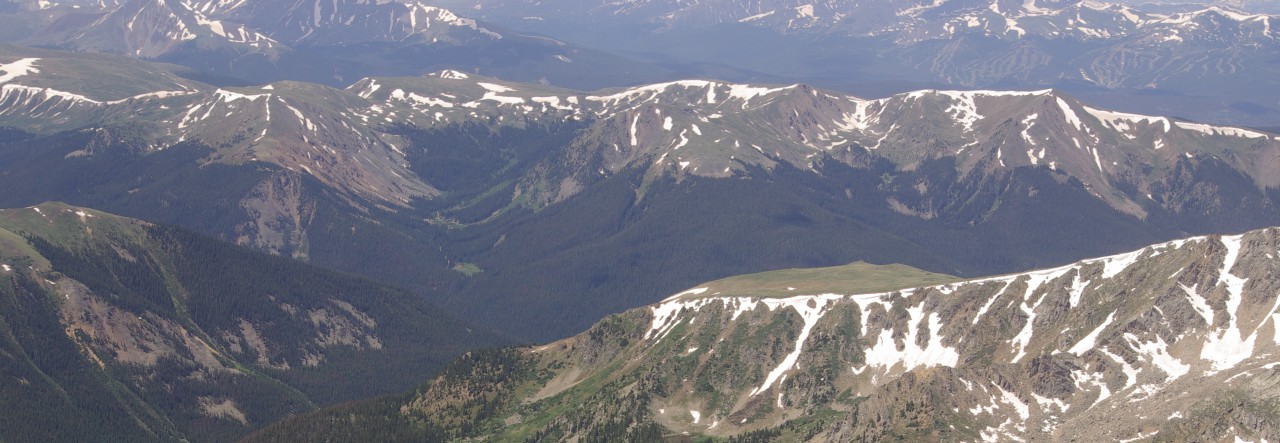
There are landscapes in Colorado that feel like they’ve leapt out of a dream—towering spires of stone, wrapped in forests, where light and shadow turn the earth into a cathedral of rock. Some are well-known, like Bryce Canyon in neighboring Utah or our own Wheeler Geologic Area in the San Juans. Others remain unnamed, unmarked on maps, tucked deep into the wilderness, revealed only to those who wander far off the beaten path.
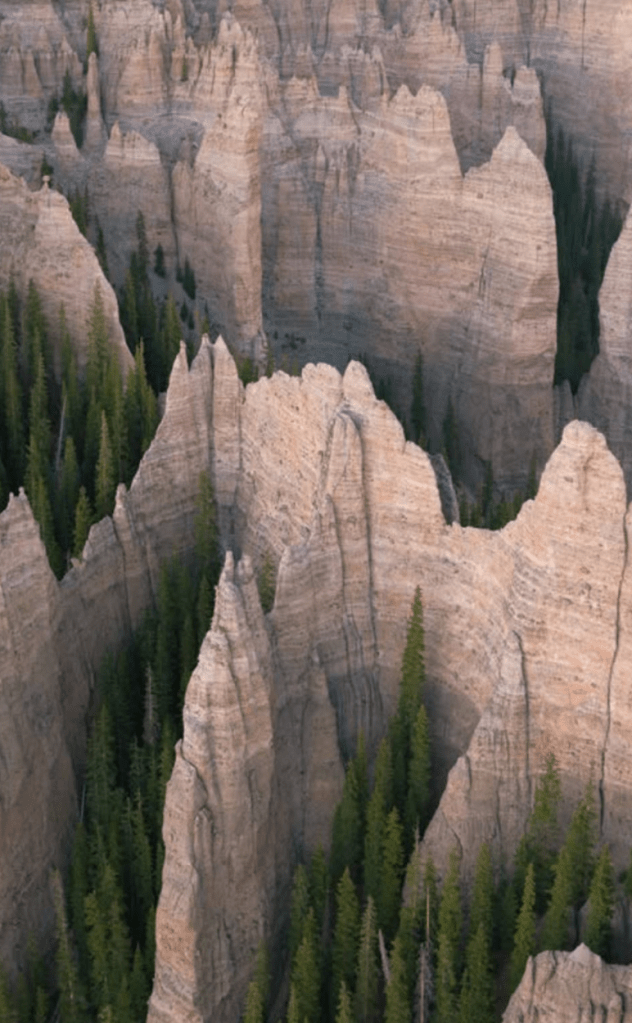
Recently, I came across such a photograph: a formation of pale stone pinnacles rising out of dense evergreens, their vertical lines carved by millions of years of wind, water, and volcanic history. At first glance, it looked unmistakably like Wheeler. But when I asked the photographer, he smiled and said, “Not Wheeler.” And nothing more.
That refusal—that purposeful withholding—made the image even more powerful. It wasn’t just a photograph of a place. It was an invitation into mystery.
The Allure of the Unnamed
There’s something deeply compelling about places that don’t come with coordinates. In a world where GPS tags and geotagged Instagram posts make it possible to find almost anything, a hidden corner of wilderness feels sacred.
Maybe that’s why some photographers refuse to share exact locations. It’s not selfishness; it’s stewardship. Some landscapes can’t handle an influx of visitors. Others need to be experienced in the spirit of discovery rather than destination. By keeping them unnamed, the photographer lets the land keep its secrets.
Why Mystery Matters in Landscape Photography
As a fine art photographer, I’ve often found that mystery adds just as much power to an image as light or composition. When a viewer looks at a photograph and asks “Where is this?”—and doesn’t get a clear answer—it draws them in deeper. They’re no longer just consuming a location; they’re imagining themselves in it.
Mystery transforms a photograph into a story.
It makes the image timeless. Without coordinates, it becomes less about the “where” and more about the “feeling.” It protects the fragile. Delicate formations—like hoodoos, sandstone arches, and alpine tundra—are easily damaged by over-visitation. It inspires personal exploration. Instead of handing out the map, mystery challenges others to seek out their own hidden places.
A Landscape Worth Protecting
Whether this photograph was taken in a known spot that only looks unfamiliar, or in a little canyon few will ever enter, doesn’t really matter. What matters is what it awakens in us: curiosity, reverence, and a desire to protect.
As photographers, we’re not just documentarians of nature; we’re guardians of it. Sometimes, the best way to honor a place is to let it stay unnamed.
Closing Reflection
The forested hoodoos in this mysterious photograph may never appear on a map. And maybe that’s the point. Some landscapes are meant to be seen, felt, and remembered—not shared in coordinates, but carried in the heart.
So the next time you see an image that makes you ask “Where is this?”—pause. Maybe the answer isn’t about geography at all. Maybe it’s about wonder.

 Colorful Colorado Photography