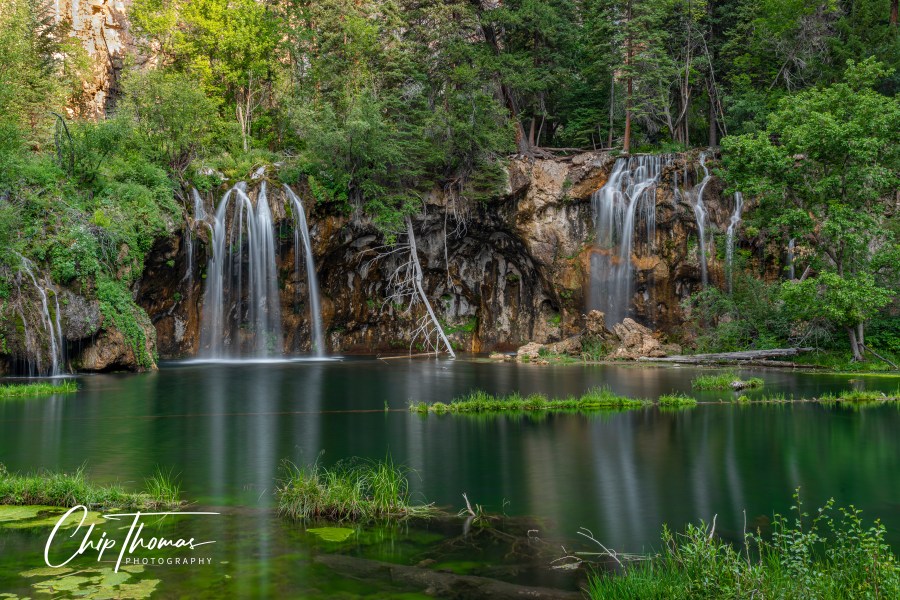
Capturing Nature’s Beauty: The Artistry of Colorful Colorado Photography
Welcome to Colorful Colorado Photography, where we celebrate the breathtaking beauty of nature through our lens. Our journey began with a simple passion for capturing the wonders of the great outdoors. Each week, we’ll take you on an immersive visual experience, sharing our unique perspective and the stories behind our captivating prints.
Capturing the Majesty: A Guide to Photographing Waterfalls for Fine Art Prints
Waterfalls are nature’s symphony of motion and beauty, a captivating sight that has entranced artists and photographers for centuries. As a fine art photographer, mastering the art of photographing waterfalls can unlock a world of stunning imagery that appeals to the senses and emotions of your audience. In this guide, I will delve into the techniques and considerations necessary to create breathtaking waterfall photographs that will be the pride of your fine art photography business.
1. Location Scouting: Selecting the right waterfall location is the first step towards crafting exceptional photographs. Research and explore potential sites, considering factors such as accessibility, time of day, and the surrounding landscape. Look for waterfalls that offer unique features like interesting rock formations, lush vegetation, or captivating foreground elements that can add depth and context to your composition.
2. Timing is Everything: The quality of light can make or break a waterfall photograph. Shooting during the golden hours, shortly after sunrise or before sunset, bathes the scene in warm, soft light that adds a magical touch to the water’s movement. Overcast days can also be ideal, as the diffused light reduces harsh shadows and allows for even exposure.
3. Essential Gear: To capture the essence of waterfalls, investing in the right gear is crucial. Here’s what you’ll need:
• Sturdy Tripod: Long exposure shots are a hallmark of waterfall photography. A stable tripod is essential to prevent camera shake and capture the silky-smooth flow of water.
• Wide-Angle Lens: A wide-angle lens allows you to capture the grandeur of the waterfall along with its surroundings. A focal length between 16mm and 35mm is often preferred.
• Polarizing Filter: This filter helps reduce reflections and glare, enabling you to capture the water’s movement and the lush surroundings more effectively.
• Neutral Density (ND) Filters: ND filters are essential for achieving longer exposure times, resulting in that classic misty effect in the water. Different strengths of ND filters can be used to control the amount of light entering the lens.
4. Mastering Long Exposures: Long exposures are a hallmark of waterfall photography, transforming rushing water into a dreamy, ethereal spectacle. To achieve this effect, use a small aperture (high f-stop number) like f/11 or higher to extend the shutter speed. Attach an ND filter to further lengthen the exposure time and create that mesmerizing flow.
5. Composing the Shot: Composition is key in fine art photography. While there are no hard and fast rules, consider these guidelines:
• Rule of Thirds: Position the waterfall off-center using the rule of thirds to create a more visually pleasing composition.
• Leading Lines: Utilize natural lines such as rivers, rocks, or trees to guide the viewer’s eye towards the waterfall.
• Foreground Elements: Incorporate interesting foreground elements to add depth and context to your photograph.
6. Experiment with Angles: Don’t be afraid to explore different angles and vantage points. Climb rocks or venture downstream to capture unique perspectives. Shooting from above can showcase the waterfall’s entire flow, while shooting from below can emphasize its grandeur.
7. Post-Processing Magic: Fine-tuning your waterfall images during post-processing can elevate them to the level of fine art. Adjust contrast, saturation, and vibrance to bring out the colors and textures in the scene. Sharpen key elements while maintaining the natural softness of the flowing water.
To conclude, photographing waterfalls for your own fine art photos is a captivating journey that demands both technical prowess and creative vision. By mastering location selection, timing, gear, and essential techniques, you can create exquisite images that capture the majesty of these natural wonders. Remember, each waterfall is a unique canvas, waiting for your artistic touch to transform it into a masterpiece that will adorn the walls of art enthusiasts and nature lovers alike.


